
Give the agent gh, not your GitHub account
A coding agent that needs gh usually gets a GitHub token, and with it everything the token can do. Brig's new github-api route serves gh from the credential broker on the host, so the token never enters the sandbox, and a GraphQL policy decides which queries and mutations reach GitHub. This post covers how gh reaches the broker, why path rules cannot limit GraphQL, what the policy checks, and how to set it up for one repository.
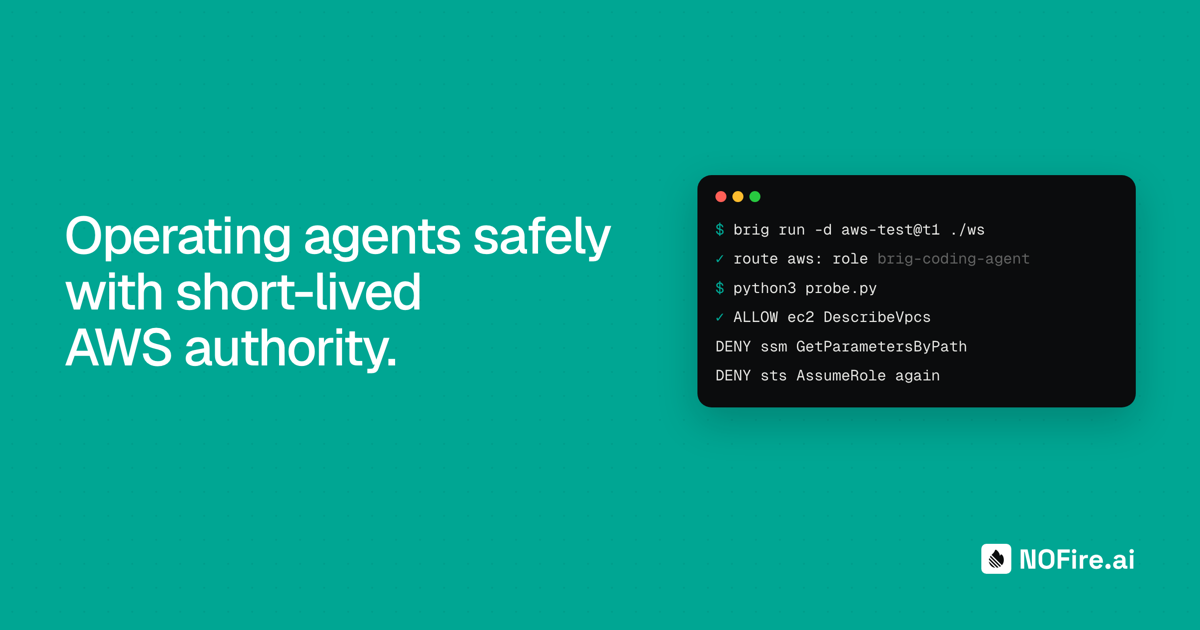
Operating agents safely with short-lived AWS authority
A coding agent that reads AWS will pick up your own SSO session if you let it, and CloudTrail cannot tell its calls from yours. This post builds the alternative with Brig v0.5.1: a dedicated IAM role with a narrow policy, 30-minute keys vended into a microVM by a broker on the host, and an audit trail that joins every AWS call to the sandbox that made it and the developer who started it.
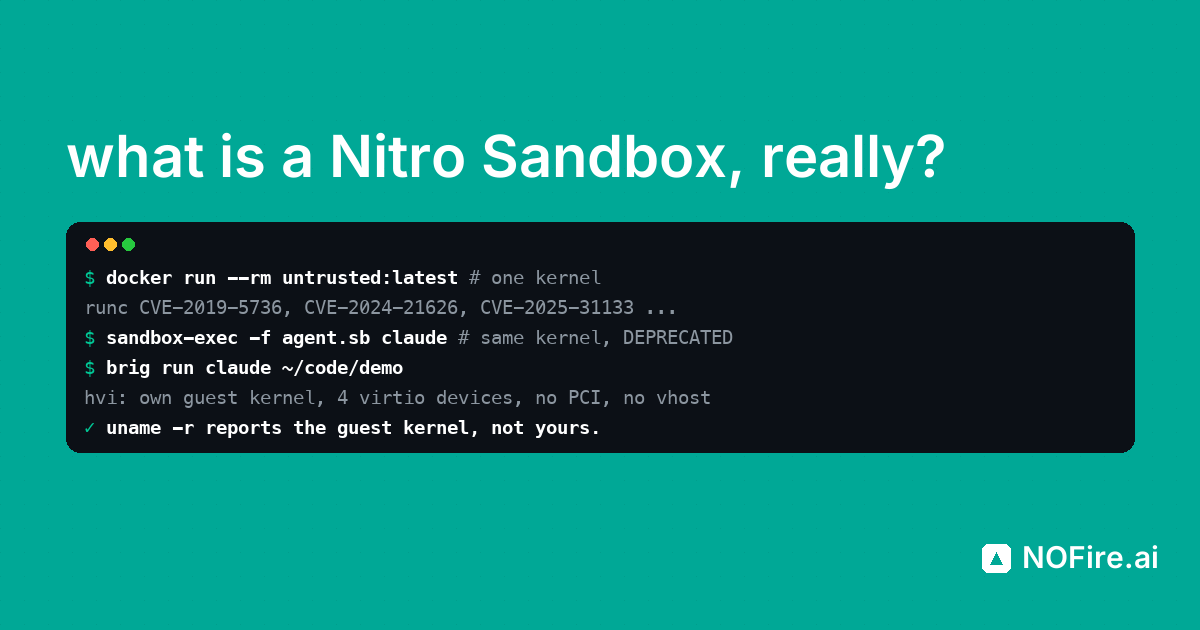
What is an AWS Nitro Sandbox, really?
AWS Nitro Sandboxes give EKS pods, ECS tasks and EC2 workloads hardware-isolated VMs managed by Firecracker without KVM. We examine the architecture, the container and hypervisor escape record, and the reasons Brig uses hvi, a small VMM for macOS and Linux.
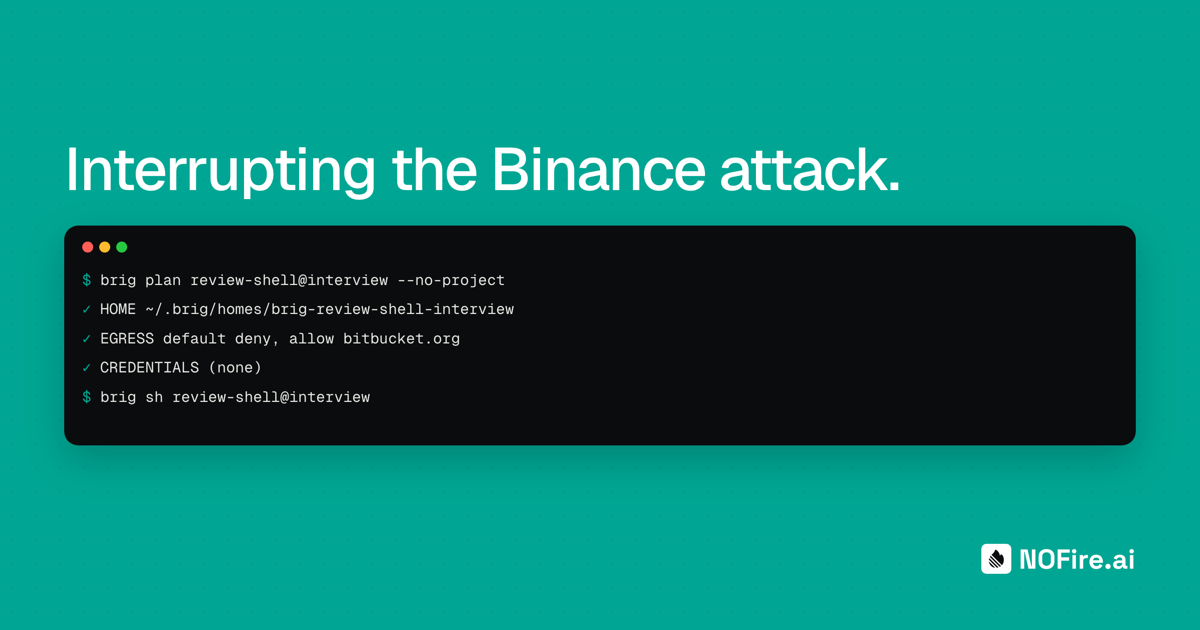
How Brig could have interrupted the Binance attack
Binance's initial incident report names the path a malicious interview repository overwrote on an engineer's laptop. That write is a boundary a microVM sandbox can enforce before anyone knows the code is malicious. This post walks through the Brig v0.5.0 setup that contains it: a disposable guest home, no credentials, an egress allowlist, and a credential broker for the agents that do need an API.
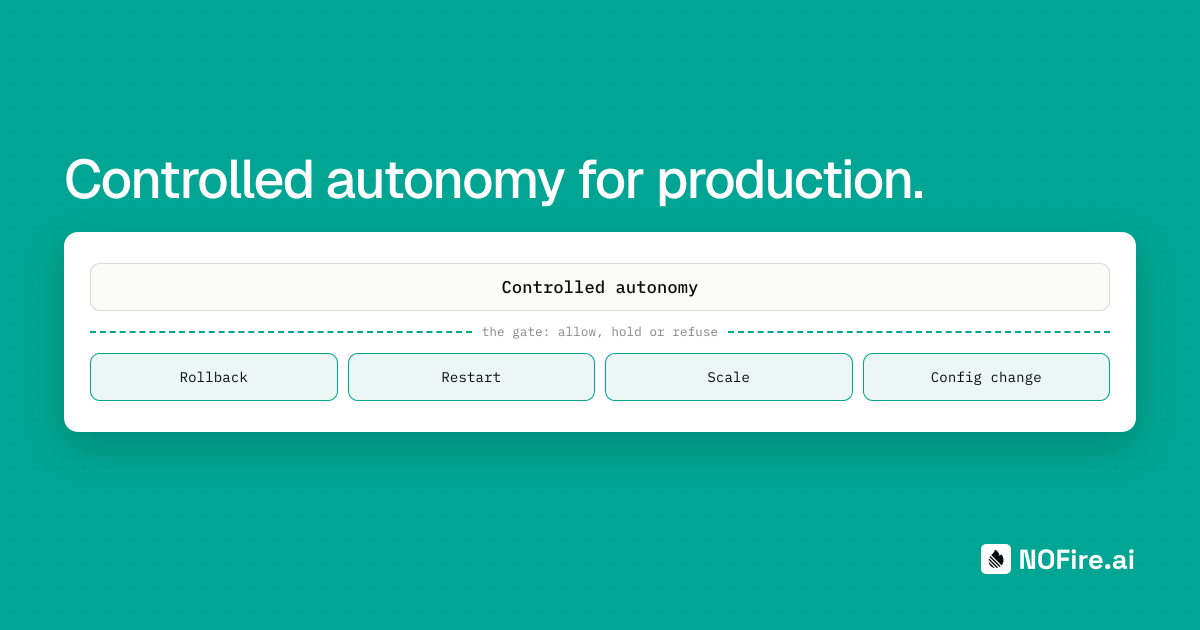
Why AI Agents Need a Control System Before Touching Production
An agent needs a versioned, inspectable account of production before it can investigate an incident, and a control system outside itself before it can act on one. This is what each of those has to do.
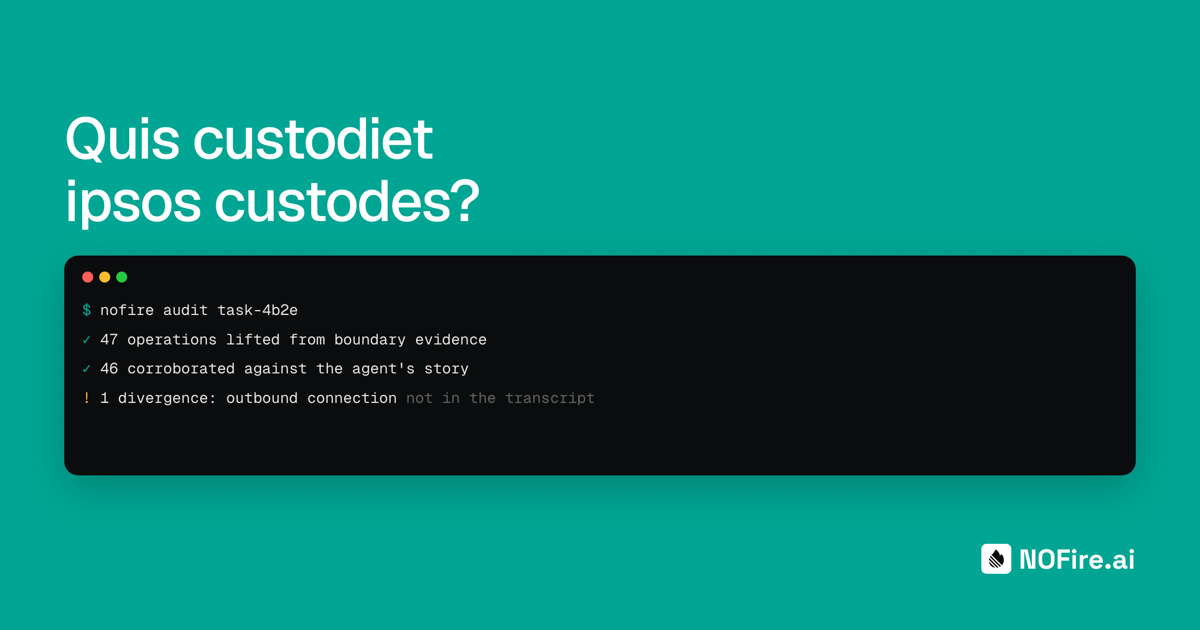
Quis custodiet ipsos custodes?
Every agent platform ships guardrails. Almost nobody asks who watches them. We walk through the trust boundaries of observing an agent from outside its sandbox, why the strongest audit trail is written from a vantage point the agent cannot reach, and how we lift raw boundary events into operations a human can actually read.
The Sandboxing Manifesto
A sandbox is a falsifiable claim. "Sandbox" has been diluted until it guarantees nothing. Ours is a definition sharp enough to be proven wrong: seven checkable properties, enforced by hardware-level microVM isolation, not by configuration.

Design for breach: the agent in production is untrusted by default
The industry just agreed that assume-breach is the operating model. For AI agents acting in production, that means hardware-level isolation and hard controls at the execution boundary, not trust in the model.

The Context & Control Model: The missing piece of the production AI stack
AI agents can't act autonomously in production without a model of how it behaves, and governance that constrains every action they take.